
Blog
Ningbo-Zhoushan Overtakes Singapore in H1 2026 for Second Spot in Global Container Port Rankings
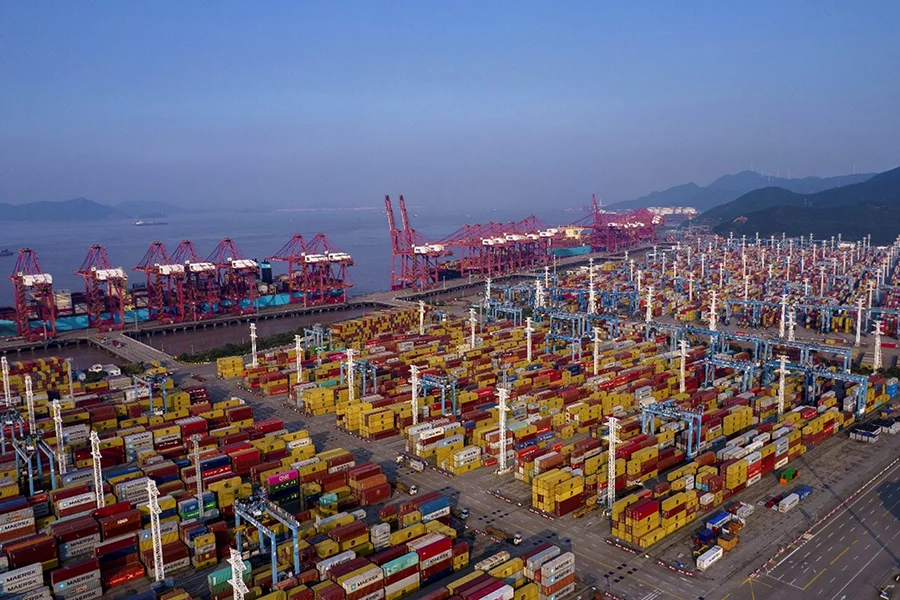
Ningbo-Zhoushan Overtakes Singapore in H1 2026 for Second Spot in Global Container Port Rankings China’s ports handled a record 161.1 million TEU in the first half of 2026, growing 5.8% year-over-year, according to Alphaliner data cited by ShippingWatch. The growth has outpaced the 5.2% increase in the global container trade. In the first half of…
Read MoreSupply-Demand Imbalance to Raise 2026 Air Freight Rates between 5%–15%, says Xeneta
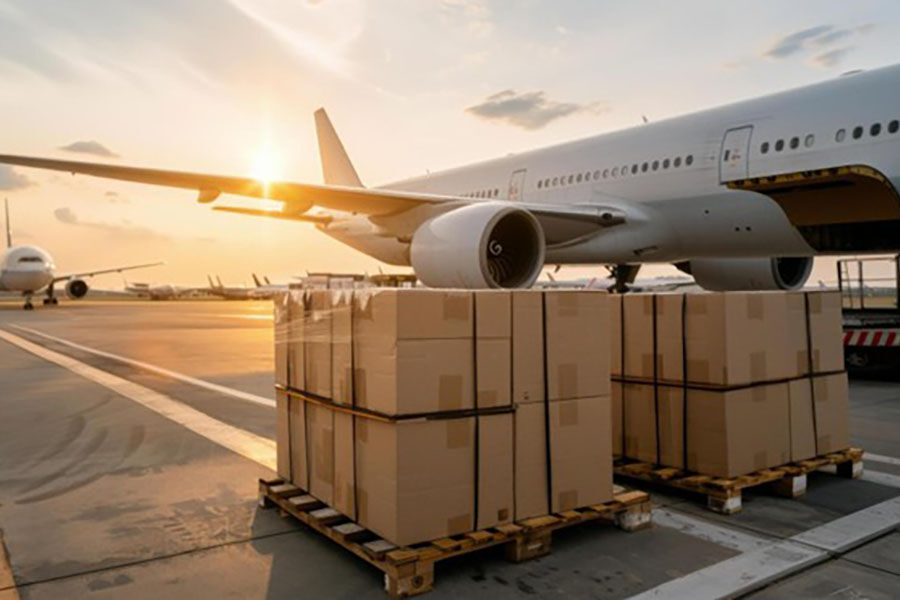
According to Xeneta’s reporting, long-term air freight rates are forecasted to increase between 5% and 15% this year, reversing the earlier expectation of a decline between -5% and -10%. The revision follows a major supply shock following the onset of the Iran war in late February, which immediately removed more than 12% of global air…
Read MoreFIFA World Cup 2026 Highlights Link Between Global Events and Freight Demand

As the FIFA World Cup 2026 gets underway across North America, its influence is extending well beyond the stadium, with measurable effects on global air cargo demand. According to reporting from Air Cargo News, citing data from consultant Aevean, strong on-field performance is closely linked to air cargo import volumes. Argentina, the previous World Cup…
Read MoreTrade Pressures and Middle East Tensions Push Global Container Shipping Demand Down 2.4%
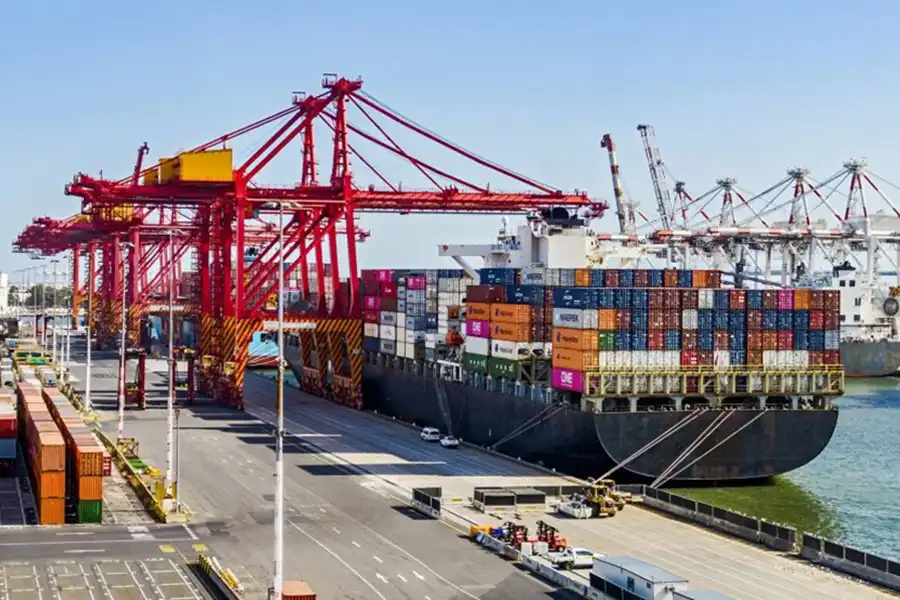
Container shipping demand continues to face pressure from trade-related and geopolitical disruptions. Weaker U.S. import activity linked to the ongoing trade war, combined with instability in the Middle East are creating a challenging environment for containerized volumes and for trade flows. Global container shipping demand declined by 2.4% As reported by ShippingWatch, analysis by Sea-Intelligence based on data…
Read MoreCost Pressures Drive Rates Despite Muted Demand on Trans-Pacific
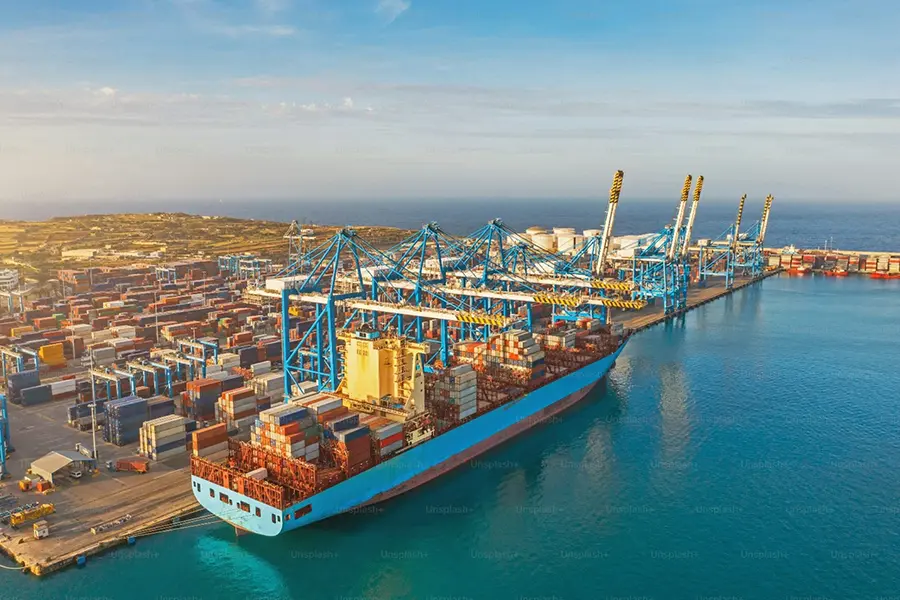
Global freight markets are seeing an upward pressure on rates, even as underlying demand remains soft. According to Freightos’ Weekly Freight Update released on April 7, ocean freight rates would typically hold steady or ease during the seasonal lull between the Lunar New Year and the traditional peak season. However, this year, pricing momentum has…
Read MoreKey Aspects of the Current Global Logistics Landscape

In March 2026, the world logistics situation is characterized by high volatility, driven by a major military conflict in the Middle East that has upended global shipping routes and triggered a sharp rise in energy costs. After a period of relative calm and rate softening in 2025, the industry has shifted back into a state of…
Read MoreImpact of Middle East Conflict on Global Logistics – What Freight Forwarders Need to Know
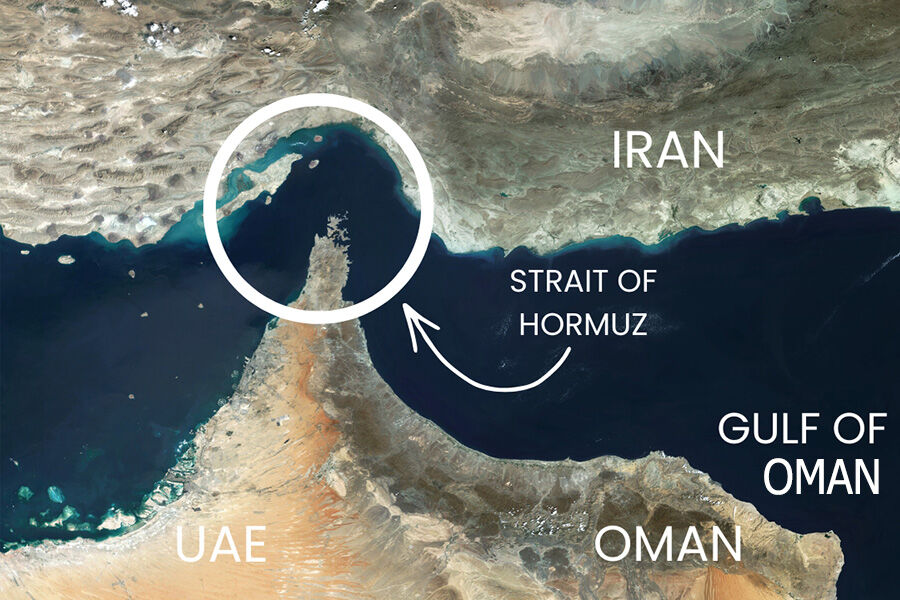
Escalating tensions in the Middle East are affecting maritime and air transport operations, including risks to navigation in and around the Strait of Hormuz and disruptions to regional airspace- What Freight Forwarders Need to Know. Recent industry intelligence indicates that vessels in the Gulf region have altered courses, halted movements, or reversed direction amid heightened…
Read More6 Ways Self-driving Technology Will Impact the Canada Freight Transportation Industry

The rise of Self-driving technology is set to revolutionize many industries, and the Canada freight sector is no exception. With advancements in autonomous vehicles and smart logistics systems, freight transportation across Canada is on the cusp of significant change. Here are six ways Self-driving technology will reshape the future of Canada freight. 1. Increased Efficiency…
Read MorePrime Minister Mark Carney’s administration has implemented significant policies affecting Canada shipping industry

Canada Shipping Infrastructure Investments and Supply Chain Resilience To enhance Canada’s transportation network and reduce reliance on U.S. trade routes, Carney’s government has introduced several initiatives: 1. First Mile Fund: This fund aims to improve connections between resource extraction sites and major transportation corridors, facilitating efficient movement of goods. 2. Hudson Bay Railway and Port…
Read More8 Advanced Shipping Strategies for China’s Peak Seasons

China’s major peak seasons, such as Chinese New Year, Golden Week, and Singles’ Day (Double 11), create some of the world’s most challenging logistics environments. For businesses that rely on sourcing from China, developing the right shipping strategies is crucial to maintaining stability and customer satisfaction. Working with a reliable shipping company and planning ahead…
Read More