
Key Aspects of the Current Global Logistics Landscape
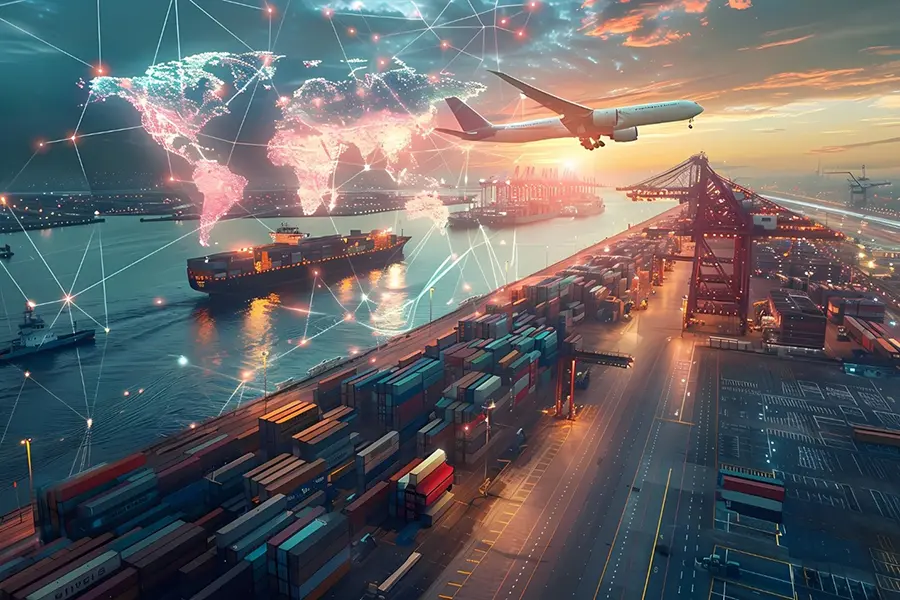
In March 2026, the world logistics situation is characterized by high volatility, driven by a major military conflict in the Middle East that has upended global shipping routes and triggered a sharp rise in energy costs. After a period of relative calm and rate softening in 2025, the industry has shifted back into a state of acute disruption, with infrastructure and resilience now viewed as critical strategic priorities.
Major Geopolitical & Trade Disruptions
- Strait of Hormuz Closure: Following military strikes between the U.S.-Israel and Iran in late February and early March 2026, the Strait of Hormuz has effectively shut down for commercial transit.
- Major Disruptions: Security risks in the Red Sea and Strait of Hormuz have forced major carriers to avoid the Suez Canal, causing significant delays and vessel backlogs.
- Shipping Diversions & Rerouting: Major ocean carriers have suspended key Middle East routes, rerouting vessels around the Cape of Good Hope, which significantly increases transit times and costs.
- Air Cargo Strain: Middle Eastern airspace restrictions have forced airlines to reroute or suspend flights, leading to capacity backlogs and surcharges as forwarders scramble for alternative routes.
- Tariff Volatility: Ongoing trade uncertainty, particularly between the U.S. and China, continues to drive “front-loading” of shipments and a shift toward regionalized supply chains.
Market & Rate Dynamics
- Fuel Price Spike: The conflict has caused a record surge in diesel and bunker fuel prices, with some reports suggesting ocean shipping could face an additional cost burden of up to $35 billion.
- Freight Rates: While ocean rates were falling through 2025 due to overcapacity, the recent crisis has reversed this trend on certain lanes, with spot rates rising as capacity tightens.
- Resilience Pivot: Companies are moving away from “Just-in-Time” lean models toward “Just-in-Case” strategies, prioritizing inventory buffers and supplier diversification
Key Trends and Situation Highlights (2025-2026)
- Technological Transformation: Artificial Intelligence (AI) is transforming logistics by optimizing route planning, enhancing forecasting, and enabling autonomous trucking.
- Technological Integration: AI is no longer optional; it is actively being used for dynamic route planning based on real-time traffic and fuel prices. Businesses are moving away from spreadsheets toward cloud-based automation to avoid “whiplash” in the supply chain.
- Real-Time Visibility: Real-time cargo monitoring is essential to resolve issues regarding port congestion and route diversions, particularly with the continued need for supply chain agility.
- Sustainability Shift: Companies are increasingly adopting greener practices, such as using electric vehicles and optimizing routes to reduce emissions, to meet tighter environmental regulations. “Greener Miles” have become a strategic advantage as global regulations tighten. Many providers are investing in low-emission futures to remain compliant and competitive.
- Shift in Global Trade Routes: Major carriers are resuming transits through the Red Sea for specific services, though congestion and regional disruptions remain a constant challenge.
- Labor and Talent Shortages: A shortage of workers, including commercial truck drivers, continues to affect the transportation industry and e-commerce fulfillment.
- Near shoring and Supply Chain Restructuring: Businesses are shifting to nearshoring, such as in Mexico, to bring production closer to consumers and reduce the risks associated with long supply chains.
- Data Security: Increased digitalization has prompted a greater focus on protecting digital supply chains from cyber threats.
Current Regional and Industry Challenges
- Maritime Disruptions: Shipping services are navigating ongoing disruptions in key maritime routes, with vessels adjusting services to resume transit safely.
- Rising Costs: Fuel volatility is a persistent issue, with diesel prices causing upward pressure on transportation costs.
- E-commerce Demand: The rapid rise in e-commerce fulfillment continues to put pressure on delivery networks, with major players like Amazon surpassing traditional providers in shipping volume.
- Cost Management: High diesel prices (surpassing $5/gallon in some regions) and fuel volatility continue to put pressure on trucking and freight costs.
- Cybersecurity: As the supply chain digitizes, protecting data has become as critical as protecting physical freight.
- Port Congestion: Communication silos and coordination difficulties between vendors at ports remain a primary bottleneck.